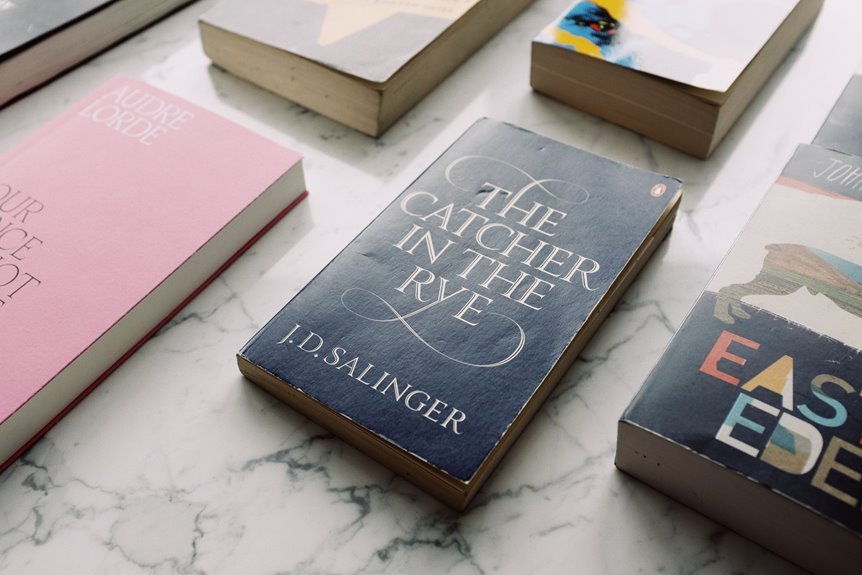
Zenolzupoziu asks for a patient cadence, a quiet pace that reveals what cannot be amplified. One begins with posture upright, eyes soft, attention deliberate. Thoughts arrive; they are noted, not owned, and drift, then fade. The text is approached with listening first, gaps felt, meanings deferred. A slow, curious rhythm persists, pauses held, paradox acknowledged. The path ends where it begins—with a decision to return, and a question that lingers: what will a second pass disclose, if only you stay awhile?
What Zenolzupoziu Is Trying to Do for You
Zenolzupoziu aims to reveal what it cannot, offering clarity by exposure rather than amplification. It delineates intent without noise, guiding perception toward purpose.
The Zenolzupoziu purpose emerges as a quiet invitation, not a command. Reading posture becomes a deliberate stance: upright yet relaxed, attentive yet unforced.
Freedom surfaces when interpretation rests on disciplined, conscious attention rather than swayed impulse.
Set a Slow, Curious Reading Pace With Mindful Pauses
A slow, curious reading pace invites discernment rather than speed, as each line is weighed and each pause defined.
The text becomes a doorway to slow listening and patient inquiry, inviting a reader to linger with meaning rather than chase conclusion.
In this paradox, freedom arises through restraint, and comprehension expands as attention settles, not bolts ahead.
Notice Your Thoughts Before They Dictate Meaning
From here, readers turn their attention inward, noticing the moment thoughts arise before they attach meaning. The text pauses, revealing how quick judgments seed distraction. In this stillness, pondering distractions loosens their grip; meanings loosen and emerge anew.
Practical Steps to Read, Reflect, and Return to the Text
How might one enter the text anew each time? Readers practice listening before reading, then reread with deliberate gaps. They cultivate a dual narrative: current noticing and remembered meaning, allowing both to coexist. They annotate as memory artifacts—fragments, pauses, questions—that guide reflection. After reflection, return to the text with fresh intention, detaching fixation, embracing paradox, and choosing freedom through concise clarity.
Frequently Asked Questions
Is Zenolzupoziu Suitable for Beginners or Only Advanced Readers?
Zenolzupoziu is Beginner friendly, yet not exclusively so; it offers layers that entice the curious and confuse the rigid. The text becomes Advanced only through disciplined immersion, inviting readers to transcend limits while honoring their own freedom.
How Long Should a Typical Reading Session Last?
A typical reading session lasts about thirty to forty minutes. Soothing routines and mindful pacing guide the experience, inviting the reader to pause, breathe, and release, while paradoxically revealing freedom through disciplined, attentive engagement.
Can Zenolzupoziu Be Used for Non-Fiction Texts?
Zenolzupoziu techniques enable its use for non-fiction texts, though the approach emphasizes visualization; visual memorization supports retention while contrasts with prose’s factual cadence, offering freedom through paradox: structure guides exploration, yet interpretation remains personal and unbound.
Are There Recommended Apps or Tools to Aid Practice?
There are apps for journaling and tools for tracking; they exist to assist practice, yet freedom lies in choosing what aligns. The paradox is that structure may liberate, while spontaneity transcends any program or device.
What if I Misunderstand a Key Concept?
Misinterpretation risks arise; the text remains indifferent. He considers correction strategies: pause, recheck sources, seek clarifications, and test implications slowly. Freedom emerges through disciplined revision, paradoxically, as certainty yields to ongoing, humble inquiry.
Conclusion
In this quiet room, a page becomes a mirror only through chance alignments—two sentences meeting like strangers at a corner, a clue appearing where least expected. The reader, patient, notices that meaning softens when hurried, yet sharpens when paused. Coincidence nudges one insight into view: clarity grows not by shouting, but by listening to the breath between lines. Read, reflect, return; the text returns the reader, gently revealing what cannot be amplified.