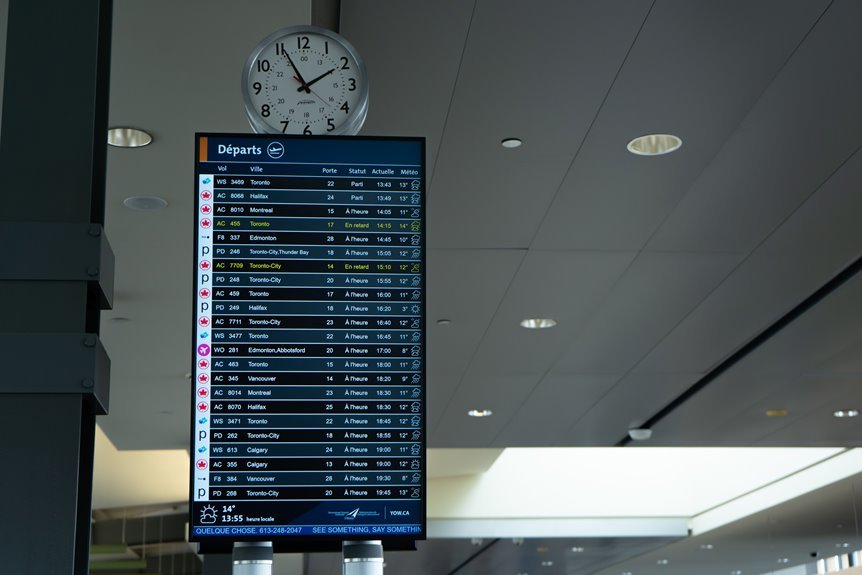
The departure time fight exposes how planned blocks meet real-world frictions. Early groundings, tight turnarounds, and cascading holdovers shape the slip from schedule to reality. Real-time updates must be concise and objective, while operators marshal resources to avert risk. Checkpoints—crew, gates, slots—reveal how delays propagate. Timing math and variance modeling offer clarity, but disciplined adaptation remains essential. The next moves hinge on disciplined decisions that balance speed with safety.
What Causes Flights to Slip: The Timing Math Behind Delays
Delays in flight schedules arise from a precise mix of factors that collectively push the planned departure time later.
The timing math reveals how early-grounded blocks, turnaround constraints, and cascading holdovers accumulate.
Delay economics explains cost signals guiding decisions, while variance modeling captures uncertainty in arrivals and durations.
Together, they illuminate why departures slip and how schedules adapt with discipline.
Real-Time Passenger Playbook During a Delay
As passengers monitor the evolving schedule, a real-time playbook guides practical steps during a delay. The document emphasizes concise monitoring, timely updates, and objective decision-making. It identifies delays causation patterns without speculation, enabling calmer responses. Passengers evaluate alternatives, coordinate with companions, and respect crew scheduling constraints. The approach prioritizes safety, transparency, and personal autonomy while minimizing disruption and false alarms.
How Airlines, Airports, and Regulators Fight the Countdown
How do airlines, airports, and regulators marshal resources and information to mitigate timing risks as the countdown to departure tightens? They coordinate crew rosters, gate readiness, and slot adherence while monitoring weather, maintenance, and congestion. Communication flows among operators and regulators drive proactive decisions. Delays and regulation shape protocols; passengers and disruption remain central, guiding transparency, compensation, and rapid recovery strategies.
Reading the Data: Checkpoints and What They Reveal About Departures
Data streams from flights, airports, and regulators illuminate the sequence of departures by exposing tangible checkpoints such as crew availability, gate readiness, and slot adherence. Checkpoints reveal how operational tempo aligns with policy constraints, revealing patterns in delay propagation. The analysis emphasizes timing math, translating raw data into actionable insight, enabling stakeholders to understand performance and pursue deliberate, intentional speed without sacrificing safety or freedom.
Frequently Asked Questions
How Do Weather Patterns Specifically Affect Departure Windows?
Weather variability narrows departure windows by amplifying delays, pushing margins as pilots and dispatchers adapt. Airport congestion compounds this, creating cascading effects that constrain available slots and render timing less predictable for operators and passengers alike.
What Passenger Actions Most Reduce Risk of a Missed Departure?
Passengers actions reduce missed departure risk by timely check-in and clear boarding, aligning with airline policies; passengers monitor flight updates and comply with instructions, while departure sequencing prioritizes punctuality, minimizing delays yet preserving traveler autonomy in a measured allegory.
Which Airports Have the Strictest Pushback Time Policies?
The airports with the strictest pushback windows vary, but several major hubs enforce tight runway timing and adherence to slot constraints. Airport operations emphasize punctuality, coordination, and safety, reflecting bureaucratic rigor while balancing freedom for efficient, predictable departures.
Do Crew Rest Regulations Influence Departure Sequencing?
Crew rest regulations influence departure sequencing, as operators align pushback and takeoff windows with mandatory rest periods to maintain safety. Departure regulations mandate spacing and duty limits, shaping sequencing decisions while preserving efficiency and crew welfare for flexibility-loving audiences.
Can Loyalty Programs Impact Boarding and Departure Prioritization?
Loyalty programs can influence boarding prioritization, with members often granted earlier or expedited access. This loyalty impact may affect seating harmony and cadence, though airlines balance fairness, operational constraints, and customer satisfaction in crafting boarding sequences.
Conclusion
In the minute-by-minute mêlée, meticulous math maps misalignment, molding movement from morning to mark-time. Delays derive from deliberate downbeats, dashed by dependable delays, drifting through data-driven decisions. Checkpoints—crew, gates, slots—signal subtle slips and systematic spread. Real-time rigor refines responses, reducing ripple and risk, while regulators, airports, and airlines align actions, accelerating assurances. Transparency, timely tracking, and disciplined adjustments keep departures dependable, despite disorder, delivering disciplined, data-driven departure dynamics with deft, deliberate precision.