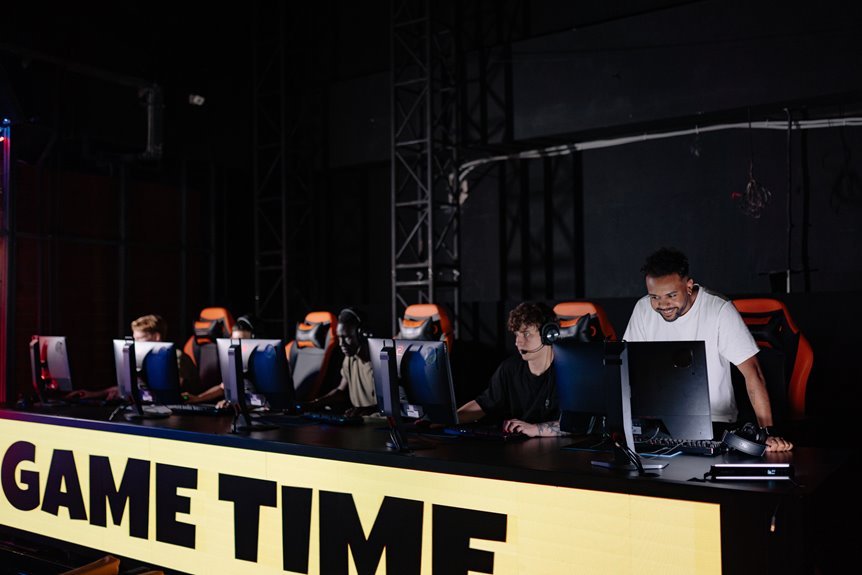
The data traces time spent on LoL with clear patterns, not just totals. Sessions show bursts, pauses, and reactive play. Outcomes, mood, and sleep effects are logged to map cause and consequence. Weekends lean toward longer marathons; weekdays favor brief, focused sessions. The result is a measured view of priority and balance, offering direction for schedule decisions. It invites a closer look at where the line between play and disruption lies, and what can shift next.
What the Numbers Really Mean When I Log Lol Hours
The numbers behind “Lol hours” serve as a lens on how time is allocated, not just how much is spent. Time tracking reveals patterns: bursts, pauses, and reactivity. This data highlights boundaries between leisure and obligation, shaping routines without coercion.
Mental health rises as control increases; stress declines when metrics inform choices. Freedom emerges through transparent, deliberate scheduling and mindful reevaluation of priorities.
How to Track Time Without Losing Sleep or Sanity
Tracking time without sacrificing sleep or sanity requires a disciplined, data-driven approach that prioritizes consistency over intensity. Time management metrics reveal patterns that inform allocations without coercion. The method emphasizes deliberate logging, objective analysis, and reachable goals.
Sleep hygiene remains central: fixed bedtimes, minimized screen exposure, and evidence-based routines. Freedom emerges from measurable limits, clear priorities, and balanced, transparent tracking that respects personal bandwidth.
What My Playing Patterns Say About Priorities and Balance
Judgments about priorities and balance emerge from patterns in playtime: shifts, frequency, and duration map when gaming aligns with other commitments.
The analysis reveals time budgeting influences decisions, not vows of restraint.
Patterns show tolerance for long sessions during weekends, offset by brief weekday play.
Guild dynamics also shape priority: collaboration cadence, raid windows, and social expectations tighten or loosen balance boundaries.
Practical Tips to Log Smarter and Game Happier
Gauging time spent on LoL benefits from practical logging strategies that emphasize accuracy and usability. The approach centers on time management, objective metrics, and simple templates to capture sessions, outcomes, and mood. Sleep impact is tracked alongside practice balance, reducing burnout. Social gaming and queue strategy data inform pacing, while mood tracking confirms psychological welfare for sustainable, happier play.
Frequently Asked Questions
Do I Log Time Spent Watching Streams or Just In-Game Hours?
The user should log in-game hours, not passive stream viewing; time tracking ethics emphasize accurate records. For productivity balance, include both activities when measuring overall engagement, ensuring transparent, freedom-oriented data informs decisions about boundaries and sustainable play.
How Do I Handle Time Logged During Breaks or Lobbies?
Time budgeting treats breaks and lobbies as pauses, not losses, with structured logs. The system records active play, while pauses adjust totals; mental wellbeing benefits from clear intervals. Data-driven precision supports freedom, avoiding inflated in-game hour counts.
Can I Measure Enjoyment vs. Time Invested in Games?
The answer indicates yes: enjoyment balance can be measured against time invested, revealing patterns where higher enjoyment correlates with efficient time use; data suggests prioritizing experiences that maximize satisfaction while maintaining time efficiency, supporting a freedom-oriented gaming approach.
Does Logging Hours Affect My Real-Life Priorities or Goals?
“Time is money” says the metric-minded observer. Logging hours may subtly affect real-life priorities, but distraction management and goal alignment remain the core levers, enabling measured freedom; data-driven signals guide behavior toward balanced, purposeful engagement.
Should I Include Practice Modes and Co-Op Sessions in Totals?
Yes, include both practice modes and co-op sessions in totals. They reflect deliberate effort, enabling data-driven comparisons; this precise tracking supports autonomy and informed choices about priorities, balance, and freedom without inflating or undervaluing engagement.
Conclusion
In this data-driven microcosm, the console glows like a silent metronome, counting heartbeats as pixels. Bursts become barcodes; pauses, empty rows in the ledger. The charts laugh in 2D, showing chaos as a tidy slope: weekend marathons flatten into productivity metrics, weekday skirmishes align with circadian zeal. The analyst’s pen, dystopically hopeful, converts habit into hypothesis: balance is a dataset, not a virtue. Game time is now an optimized variable—enjoyable, accountable, and painfully measurable.