Light novels and manga deliver stories through distinct perceptual channels. Prose emphasizes interiority, world-building, and descriptive density, inviting reader imagination. Manga relies on panel flow, visual pacing, and instantly legible imagery for rapid comprehension. Adaptation preserves either narration and interior nuance or rhythm and visual cues, shaping experience differently. Readers should adjust expectations: prose favors immersion and reflection, manga favors immediacy and visual clarity, leaving a choice that quietly defines how a story unfolds. The next distinction awaits examination.
What Exactly Distinguishes Light Novels From Manga
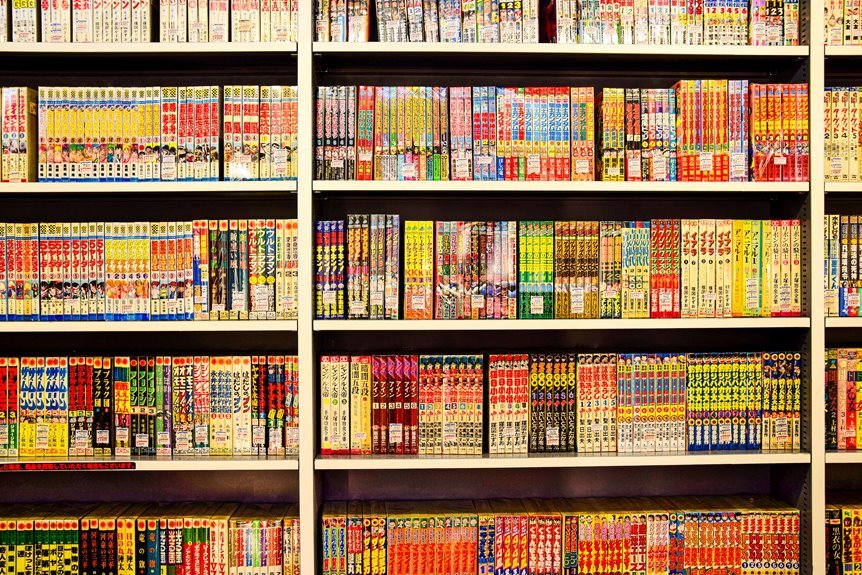
Light novels and manga occupy distinct media formats, each shaping storytelling through its own medium-specific constraints. Light novels emphasize prose-driven world-building, interiority, and rapid release cadence, while manga emphasizes visual pacing and sequential composition. The difference lies in delivery: reader imagination versus drawn interpretation. Character design in light novels focuses on textual description; in manga, it translates into immediate, codified imagery.
How They Tell Stories: Prose Versus Visual Pacing
Prose and visual pacing shape storytelling by leveraging distinct sensory channels: internal narration, descriptive language, and rapid shifts in focus versus panel-to-panel sequencing, composition, and time manipulation.
The contrast highlights how light novels cultivate prolonged prose pacing, inviting interpretive reflection, while manga emphasizes visual storytelling through sequential frames, timing, and layout.
Both mediums optimize clarity and rhythm, yet approach reader immersion through different perceptual channels.
Who Reads Each Format and What They Expect
Readers of light novels and manga converge on distinct yet overlapping audiences, shaped by format-specific expectations and usage contexts.
The comparison highlights concept differences in narrative density, pacing, and immersion, with readers seeking varied experiences.
Light novels appeal to readers prioritizing prose, world-building, and internalization, while manga targets visual rhythm and rapid comprehension.
Reader expectations differ in tempo, detail, and accessibility.
Adaptation Potential and Practical Reading Tips
Adaptation potential and practical reading tips hinge on how each format translates core elements. The analysis compares prose vs visuals, highlighting how pacing expectations differ: light novels sustain interior detail, while manga emphasizes panels and flow. Readers seeking freedom should note concise reading tips, focusing on scene clarity, character cues, and tonal shifts to adjust expectations across formats.
Frequently Asked Questions
How Did Light Novels Originate and Evolve Culturally?
Originating fandoms shaped early light novels in postwar Japan, evolving through publishing shifts, serialization, and multimedia tie-ins; translating nuances broadened appeal, while pricing accessibility influenced global demand, allowing gradual democratization and cross-cultural adaptation within a comparative, analytical framework.
Which Format Features Longer, More Detailed Worldbuilding?
Like a finely tuned engine, the light novel format offers greater worldbuilding depth, while manga emphasizes concise world cues; thus, light novels excel in worldbuilding depth, but narrative pacing remains more variable and visually driven in manga.
Do Translations Affect Tone or Nuance Differently?
Translations and localization influence tone shifts more than content in many cases, with subtle nuance loss or adjustment depending on target culture; differences in phrasing alter reader perception, while some linguistic gaps prompt deliberate stylistic shifts for clarity and rhythm.
Are Pricing and Availability Comparable Across Markets?
Pricing consistency and regional distribution vary; pricing and availability are not uniformly comparable across markets. Pricing consistency exists in some regions, while regional distribution limits access, creating divergent availability and differing market strategies between locales.
What Is the Typical Production Schedule for Each Format?
Production schedules differ: light novels often prioritize longer lead times for manuscript drafting and illustration, while manga emphasizes iterative chapter releases; translation challenges vary, with light novels needing more localization, whereas manga demands panel accuracy and localization flow.
Conclusion
In sum, light novels and manga occupy distinct narrative realms: prose-driven immersion versus image-driven pacing, each shaping reader reception and adaptation. Light novels cultivate interiority, description, and conjecture, while manga relies on sequential panels, visual cues, and rapid comprehension. For readers, expectations align with format: savoring nuance in text or timing in art. A hypothetical case study: a fantasy conflict resolves through a protagonist’s inner debate in a novel, then via a climactic, composition-heavy fight sequence in the manga, underscoring complementary strengths.