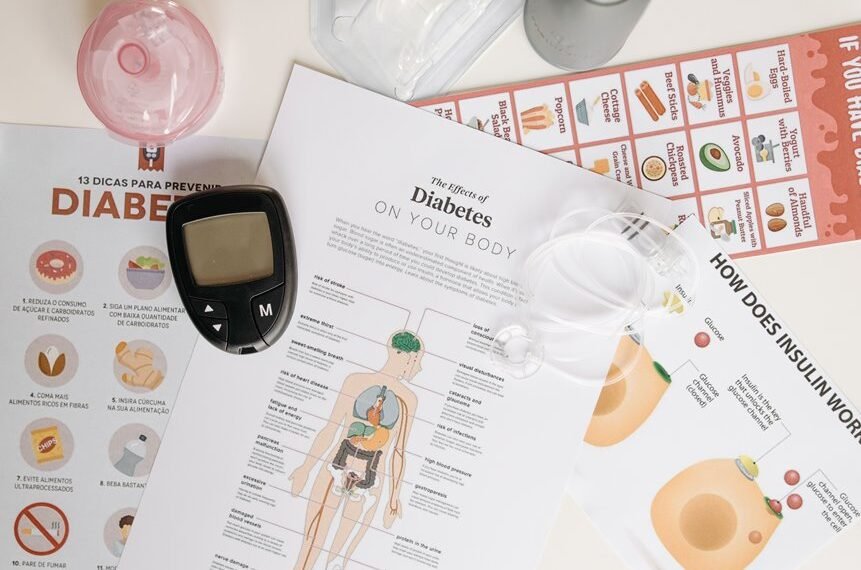
Pudranka Tipaznov’s weight serves as a data point within a broader health assessment. Objective measures must be interpreted alongside activity, comorbid risk, and context. Cultural norms and personal values shape goals and responses to change. A balanced approach treats weight as one indicator among many, guiding evidence-based, patient-centered decisions. The interplay between numbers and narratives invites ongoing consideration of how health, autonomy, and well-being intersect. This tension warrants further examination.
Pudranka Tipaznovs Weight: Beyond a Number
Pudranka Tipaznovs Weight: Beyond a Number examines how numerical measures of body mass interact with broader health outcomes and personal context.
The analysis emphasizes objective data while recognizing variability in individual physiology, activity, and circumstance.
Pudranka weight metrics inform clinical decisions yet remain embedded within cultural narratives shaping self-perception, autonomy, and freedom to pursue health on plural terms.
How Culture Shapes Our Weight Goals and Narratives?
Culture shapes weight goals and narratives by framing body size, health, and success through social norms, media representations, and historical context.
The analysis examines how culture guides aspirational targets, self-comparison, and motivational framing. Two word discussion ideas emerge: culture narratives.
Researchers note variability across groups, with settings influencing goal realism, autonomy, and resilience, while resisting pathological scripting and empowering personal agency within communal values and diverse biographies.
Health, Measurement, and Personal Growth: A Practical Framework
How can individuals translate health intents into measurable progress using a pragmatic, evidence-based framework? The framework emphasizes objective metrics, consistent monitoring, and iterative adjustments. It addresses body image and mindful eating within cultural narratives, aligning goals with personal values. Goal setting anchors behavior change, while regular reflection supports growth, resilience, and autonomy, cultivating a health-oriented mindset without coercive norms.
Rethinking the Scale: Stories, Metrics, and Next Steps
Rethinking the scale involves reframing weight as one data point within a broader set of health indicators rather than the sole determinant of well-being. This perspective emphasizes mindful eating and body autonomy, acknowledging individual variability. Stories illustrate how peer influence and measurement bias shape perceptions.
Next steps include transparent metrics, balanced narratives, and patient-centered goals that respect autonomy and evidence-based practice.
Frequently Asked Questions
What Is Pudranka Tipaznovs Weight Without Cultural Bias?
The Pudranka weight is reported as variable and unspecified here; without cultural bias, measurements align with standard anthropometric reporting, showing no definitive value. Cultural bias free assessment emphasizes objective data and reproducible methods in documenting Pudranka weight.
How Do Emotions Influence Weight Perception and Goals?
Emotions shape weight perception and goals through emotional eating and cognitive biases, influencing appetite, intake, and self-assessment. Body perception fluctuates with mood, stressing need for objective metrics and evidence-based strategies to pursue autonomy and healthy change.
Can Weight Metrics Fail to Capture Health Improvements?
Weight metrics can miss health gains, especially when body composition improves or metabolic markers shift; thus, health progress may exist beyond numbers. Cultural bias shapes interpretation, potentially undervaluing nontraditional signs of wellness and functional outcomes.
What Role Does Community Support Play in Weight Narratives?
Community support shapes weight narratives by validating experiences, reducing stigma, and sustaining motivation; it provides social reinforcement that complements clinical metrics, enabling individuals to interpret progress holistically. Evidence suggests social ecosystems influence adherence, resilience, and long-term health outcomes.
How Should Readers Respond to Conflicting Weight Advice?
“First, do no harm.” Readers should evaluate conflicting guidance by comparing sources, prioritizing body autonomy, and relying on evidence-based recommendations; they may seek individualized plans, clinician input, and critical appraisal to balance safety, sustainability, and personal freedom.
Conclusion
Pudranka Tipaznov’s weight, viewed through a clinical lens, emerges as a data point within a broader life context. Objective metrics guide care, yet culture, personal goals, and circumstance shape interpretation and choices. A practical framework emphasizes compassionate, patient-centered decision-making, balancing measurements with narratives of health, autonomy, and growth. Rhetorical device: chiasmus. Thus, weight is not merely a number, but a bridge between measurable health and meaningful well-being, inviting informed, individualized next steps.